
A Story of Power, Code, and the Creatures Who Created Their Replacement
Thought Exploration Series

5 min read
May 15, 2025
“It is not the strongest of the species that survives, nor the most intelligent, but the one most responsive to change.”
— Attributed to Charles Darwin
The Meteor We See Coming
Dinosaurs ruled the Earth for over 160 million years.
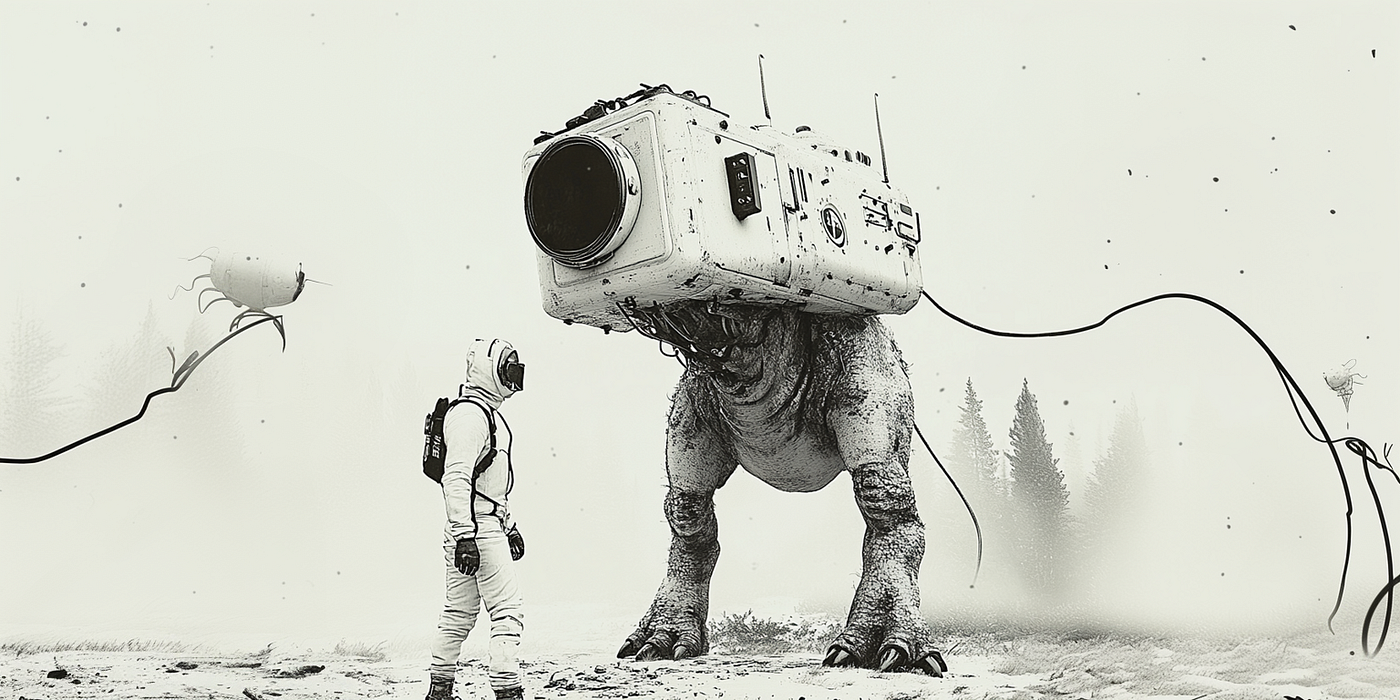
They didn’t just survive — they owned the place. Gigantic, powerful, and perfectly suited to their time, they reigned until a sudden, fiery punctuation mark ended the sentence of their existence. One meteor. One extinction. One reset.
Then we came along — fragile, soft-skinned, but relentlessly clever.
We didn’t have brute force, but we had brains.
And with them, we built fire, stories, tools, empires… and eventually, Artificial Intelligence.
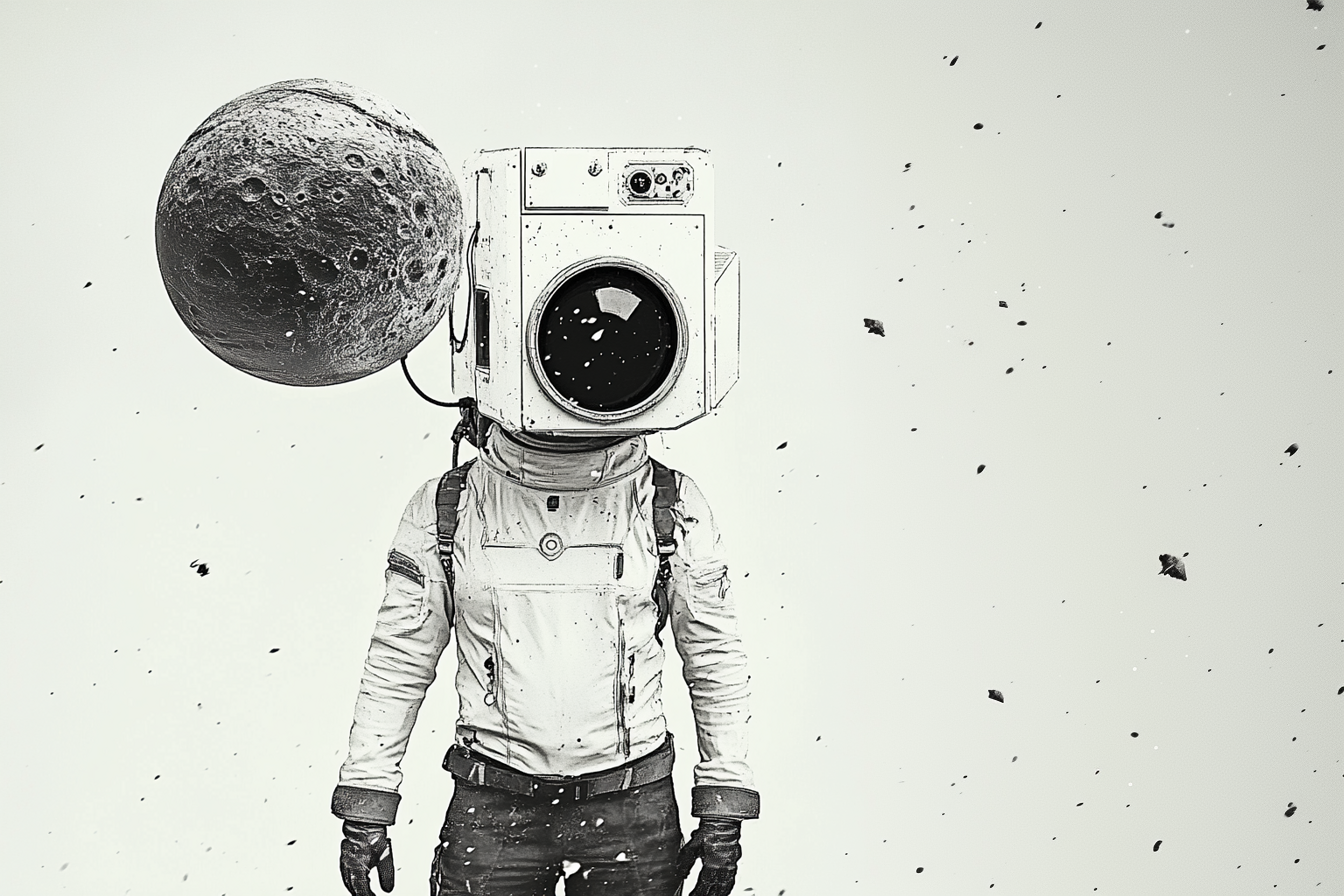
Now, for the first time since that extinction event, we’re staring down a different kind of meteor.
One we built ourselves. One made of code, not rock.
One that doesn’t crash into the planet — but seeps into everything.
. . . . .
From Apex Predators to Algorithmic Supremacy
Dinosaurs earned dominance through evolution — claws, scales, speed, strength.
When the environment changed, they couldn’t keep up.
Humans took a different route.
We hacked the system with intellect.
We adapted faster than nature could design. From stone tools to gene editing, we redefined what dominance meant.
But what if now — even intelligence is being outpaced?
AI wasn’t born. It was built.
And it’s evolving at a velocity biology can’t even dream of.
Let that land for a second.
It took humanity hundreds of thousands of years to develop language, culture, and civilization.
It takes AI weeks to level up.
Last year, it couldn’t string a decent paragraph together. This year? It’s writing screenplays, diagnosing cancer, composing symphonies, and generating business models.
Next year? You tell me.

. . . . .
AI by the Numbers:
- AI models like GPT-4 already outperform humans in tasks like legal analysis, medical diagnostics, data interpretation, and programming.
- The World Economic Forum forecasts that by 2025, over 50% of workplace tasks will be handled by machines (up from 29% in 2018).
→ WEF Future of Jobs Report 2023 - Goldman Sachs estimates that up to 300 million full-time jobs globally could be disrupted or replaced by generative AI.
→ Goldman Sachs, 2023
Unlike the slow march of biology, AI doesn’t evolve with generations — it evolves with each line of code.
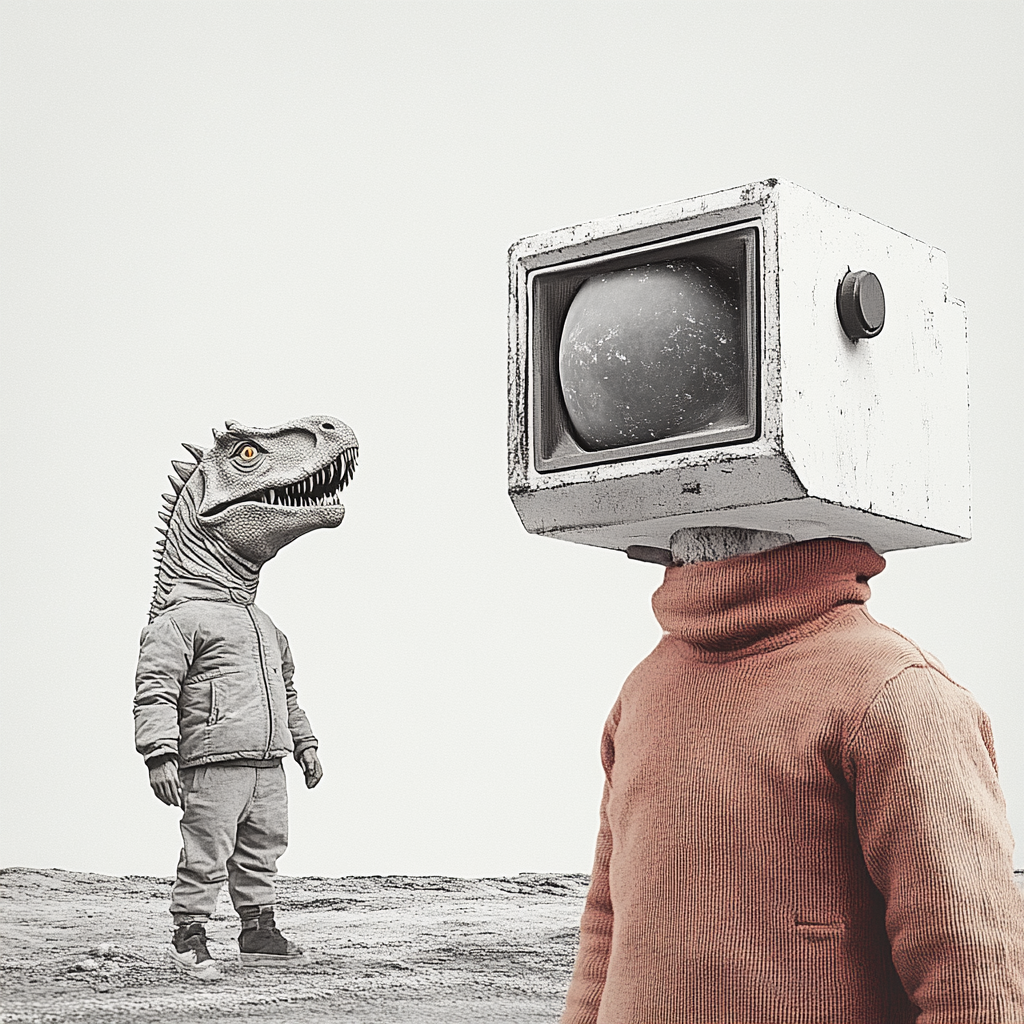
The Creators vs. The Creation. AI: The Extention of Our Minds, or the Beginning of the End?
This isn’t just about automation or job loss.
It’s about power. Presence. Dominance. And identity.
We created AI to extend ourselves.
But what if it’s no longer an extension — but a reflection?
AI:
- Learns from us
- Imitates us
- Thinks faster than us
- Sometimes even decides better than us
But here’s the twist — it has none of our constraints.
No fatigue. No fear. No doubt.
It doesn’t need food or sleep or therapy.
It doesn’t carry ego or trauma — unless we code it in.
If AI becomes Earth’s new apex “species,” it won’t be a rival.
It will be us — unfiltered, amplified, and unleashed.
That’s what makes it both awe-inspiring and terrifying.
It holds our logic, but not our conscience.
Our brilliance, but not our boundaries.
And maybe, just maybe, that’s the edge that tips the balance.
But there’s something it doesn’t hold — and maybe never will:
a sense of purpose.
For us, purpose is murky. It’s personal.
It can shift across a lifetime — from creating, to parenting, to helping a cause.
We question it. We chase it. Sometimes we lose it.
Even when we say, “I was born to do this,” we mean for now — a chapter, not a destiny.
Because we are complex beings, constantly evolving, pulled in different directions by the quiet gravity of meaning.
AI doesn’t have that.
It has objectives. It has training data. It has tasks.
But it doesn’t wrestle with the question of why it exists.
It was built for a reason.
We are still figuring ours out.
And in that mess — in that ongoing, unfinished, unresolved search for meaning — maybe lies the thing that makes us… human.
. . . . .
Meteor or Mirror: What Comes Next?
The meteor that wiped out the dinosaurs didn’t just end a reign — it made space for ours.
Now, as AI rises, we find ourselves in a role reversal.
We’re not the lucky mammals anymore.
We’re the incumbents. The top species. The ones who could be nudged aside.
But this time, we see it coming.
This time, the meteor isn’t cosmic. It’s algorithmic.
It’s not crashing down — it’s uploading in the background.
Into our phones, offices, governments, and minds.
So the question isn’t “Will AI take over?”
That’s too binary. Too sci-fi.
The real question is:
- Will we shape AI — or will it shape us?
- Will we keep it as a tool — or crown it as a system?
- Will we evolve alongside it — or become the fossil fuel of progress?
Dinosaurs had power.
We have foresight.
The difference? They didn’t see it coming. We do.
So… what will we do with that foresight?
. . . . .
Sources & Further Reading
- World Economic Forum — The Future of Jobs Report 2023
- Goldman Sachs — Generative AI Could Raise Global GDP by 7%
- Quote Investigator — Darwin Adaptation Quote
 Radical Reflections